

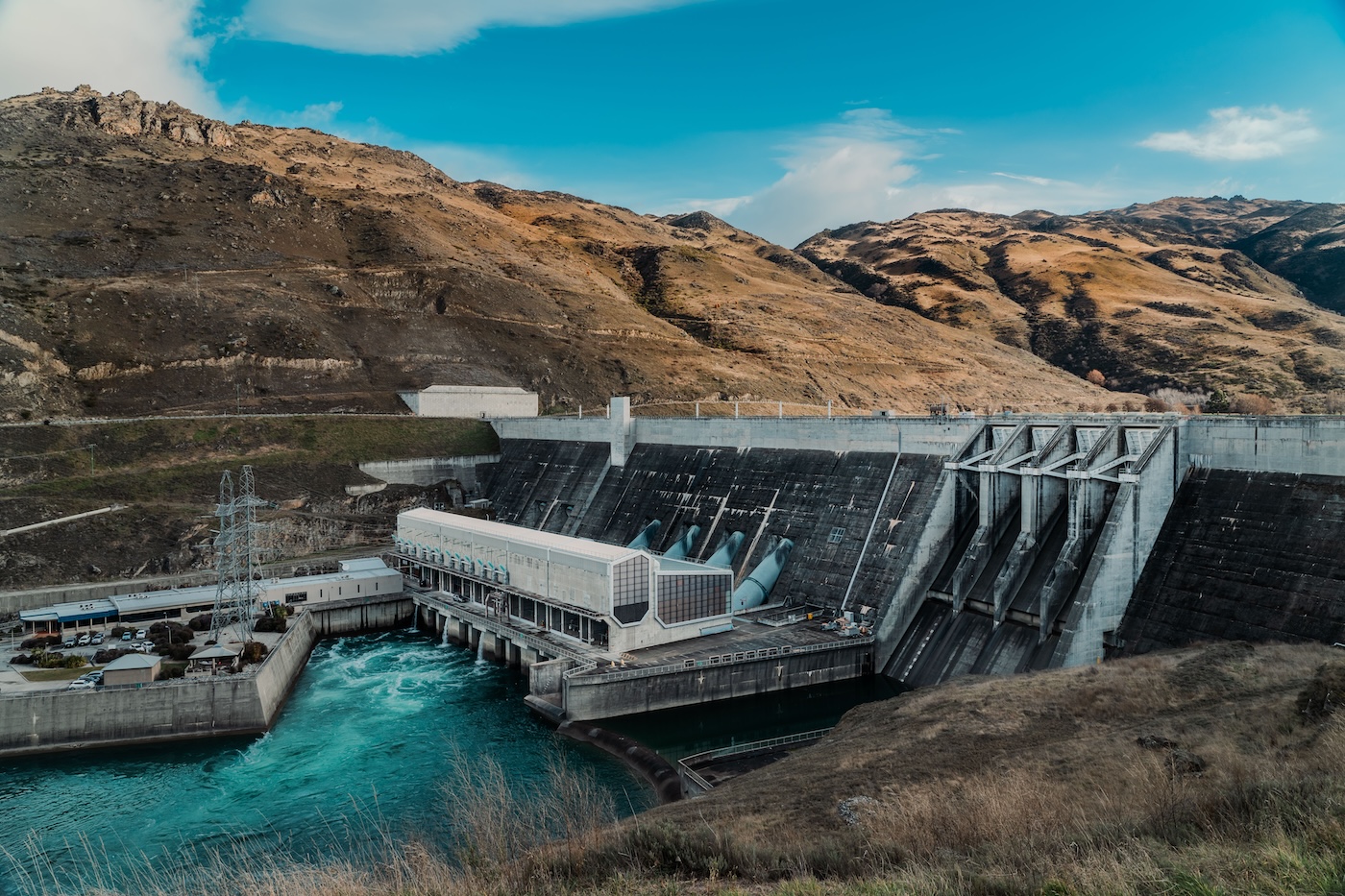
As New Zealand moves out of winter and into spring, the electricity market typically enters a season of reset.
Heating demand begins to ease, while seasonal rainfall and alpine snowmelt can increase hydroelectric generation. When hydro inflows are strong, wholesale electricity prices can come under downward pressure as more generation becomes available.
This year, however, global climate models are pointing towards an extended El Niño weather pattern - something businesses with significant electricity use should be keeping an eye on as summer approaches.
Why does El Niño matter for electricity prices?
Hydroelectricity typically provides around 55 to 60% of New Zealand's annual electricity generation, making the country's electricity market particularly sensitive to changes in rainfall and hydro lake levels.
New Zealand's major hydro storage lakes, including Pūkaki and Tēkapo, provide an important buffer for the electricity system. But storage is finite, meaning sustained low inflows can put pressure on available generation and wholesale prices.
El Niño can influence New Zealand's weather patterns in several ways:
- Wetter conditions in the west: Increased rainfall along the Southern Alps can boost inflows into some western hydro catchments.
- Drier conditions in the east: Rain-shadow effects can contribute to extended dry periods across eastern parts of the country.
- Stronger winds: More frequent south-westerly winds can increase generation from New Zealand's growing wind fleet.
The result can be a more volatile electricity market if these conditions are followed by prolonged dry weather, hydro storage can fall quickly, causing reliance on thermal generation, including gas and coal. This can place significant upward pressure on wholesale electricity prices.
What does this mean for businesses?
For commercial electricity users, the biggest consideration is price volatility.
Businesses on unhedged or spot-exposed contracts can be particularly vulnerable to sudden wholesale price increases. For businesses approaching contract renewal, you may also see the baseline pricing increase as retailers build weather risk into their offers.
While electricity demand associated with heating generally falls during summer, cooling systems, irrigation, refrigeration and other electricity-intensive processes can increase. If dry conditions coincide with low hydro storage and higher electricity demand, wholesale prices can rise sharply.
Is there an opportunity for businesses?
Market volatility doesn't necessarily mean businesses should wait and see. Temporary downward pressure on wholesale prices can provide an opportunity for businesses to review their electricity position and consider whether current market pricing presents an opportunity to secure longer-term rates.
The key is timing, and understanding how much exposure your business is comfortable carrying. Rather than waiting until a contract expires or market conditions become unfavourable, reviewing your options ahead of time can give you greater visibility over future electricity costs.
Planning ahead for summer
There is no way to predict exactly how the weather or wholesale electricity market will behave over the coming months. However, businesses can reduce their exposure to unexpected price movements by understanding their current contract, reviewing their hedging position and monitoring market conditions.
At SaveAWatt, we continuously monitor retail pricing structures and wholesale market indicators for you to help businesses make informed decisions about their electricity contracts.
If your electricity contract is coming up for renewal, now is a good time to review your options - before summer weather conditions have the potential to add another layer of volatility to the market.
Planning ahead could help your business keep electricity costs more predictable through the months ahead.


