

If you run a business in New Zealand, the way you pay for electricity is about to undergo its biggest structural change in years.
By July 1, 2026, the Electricity Authority has mandated that all major power retailers (those with over 5% market share) must now offer Time-of-Use (ToU) pricing plans and time-varying solar buy-back rates.
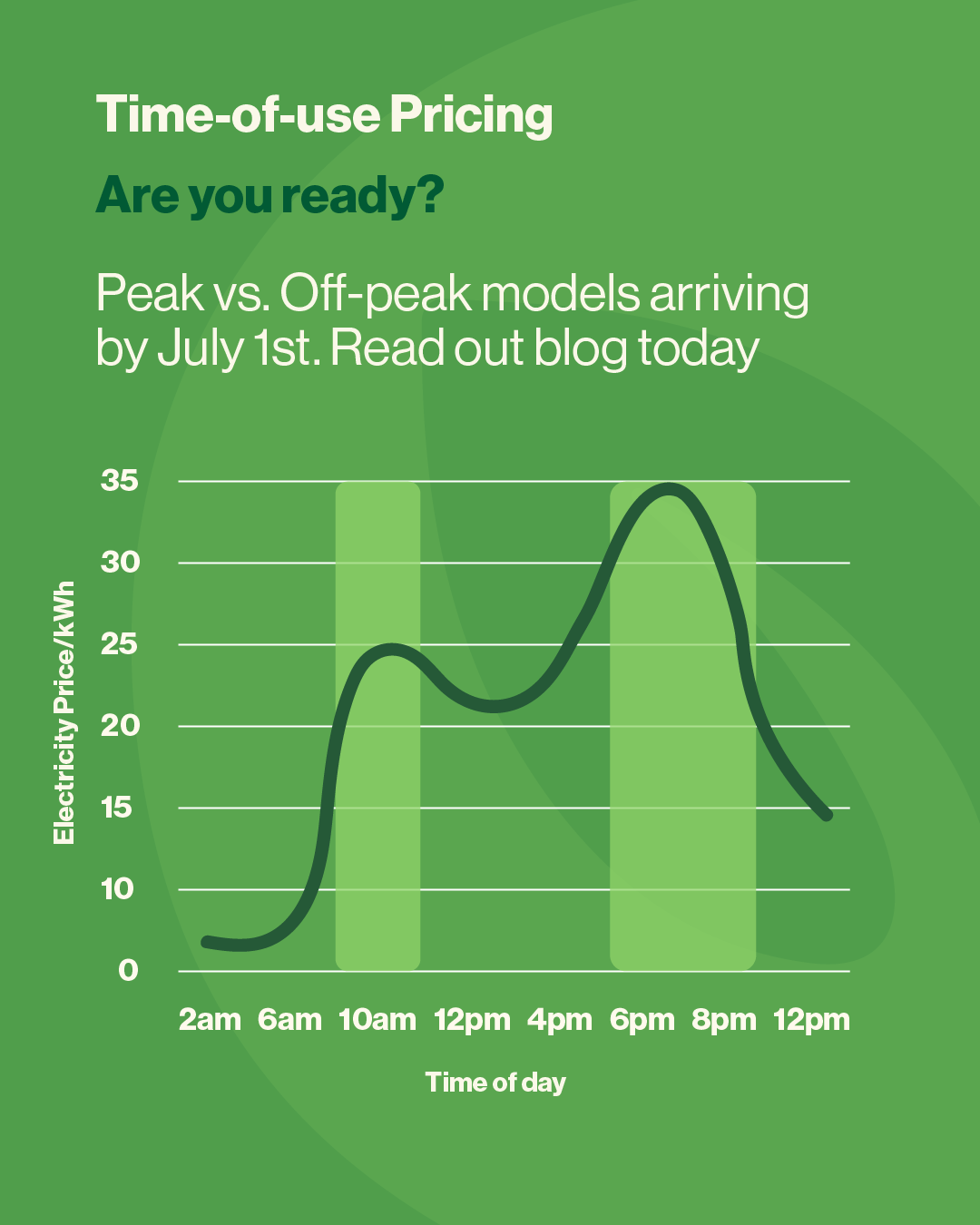
What does this mean for you? It means the flat, predictable electricity rates will no longer be your only option when procuring electricity for your business. Power is now required to also be offered to all businesses on a pricing metric based on when you use it, which results in higher rates during high-demand peak windows (weekday mornings and evenings), and significantly lower rates during off-peak hours.
The Good and Bad of ToU for Businesses
According to regulators, shifting to a ToU model could reduce electricity costs by up to 20% for those who actively adapt. However, if your business operations remain strictly status quo during peak hours, you run a very real risk of watching your power bills climb.
Furthermore, if you’ve invested in commercial rooftop solar, the new rules mean lines companies and retailers must offer "fair value" time-varying buy-back rates. If you have battery storage to export power back to the grid during an evening peak, your solar ROI is about to rise. If you don't, you might miss out on the true value of the energy you generate.
To ensure your business lands on the winning side of this regulatory change, use our guide below to audit your energy profile before July 1.
Guide
1. Audit your load profile
Before you can pick the right plan under the new rules, you need to know exactly when your business is consuming power.
- Do you run heavy equipment, commercial refrigeration, or heating elements during peak weekday hours (7am–9am and 5pm–9pm)?
- Can any high-energy operational processes be automated or shifted to off-peak hours (overnight or mid-afternoon)?
2. Review your EV and fleet charging schedules
If your business has transitioned to EVs, charging them at the wrong time under a ToU plan will become incredibly costly.
- Are your fleet vehicles plugged in immediately at the end of the workday (smack-bang in the middle of the expensive evening peak)?
- Can you install smart timers to delay charging until off-peak windows start?
3. Test your solar & battery setup
The new mandates reward smart energy exporters. Make sure your hardware is configured to maximise your return on investment through these new peak pricing windows.
- If you have solar panels, do you also have battery storage to save mid-day generation for use or export during the high-value 5pm–9pm peak?
- Is your current retail provider offering a "time-varying buy-back rate," or are you missing out on the full value of your exported energy during peak windows?
4. Avoid the passive rollover trap
Major retailers will soon be aggressively promoting their new ToU plans. But just because a plan is mandatory for them to offer doesn’t mean it’s the best one for you.
- Have you reviewed your current commercial contract expiry date?
- Are you actively comparing independent brokers to see how different retailers structure their peak vs. off-peak windows?
Don’t navigate the change alone
Understanding peak-pricing windows, network congestion rebates, and load profiles shouldn’t have to take your focus away from running your business.
At SaveAWatt, we are already helping our commercial clients analyse their power usage and independently negotiate the best upcoming ToU, solar buy-back, and EV charging plans across all NZ retailers.
Get a free, independent review of your business energy setup today. Contact Us


